

Submersible Pump Motor Stray Current
The single major cause of bearing failure in rotating equipment is contamination of the lubrication. In a study conducted by Mobil Oil, it was discovered that water contamination of 0.002% reduces the rated bearing life by almost 50%. This is the equivalent of 2 drops of water in a litre of oil. A small leak caused by a pump seal failure can quickly turn into a larger problem due to downtime and repair costs. Repeated failures will often exceed the initial cost of the pump itself.
Submersible Pump Motor Stray Current
The single major cause of bearing failure in rotating equipment is contamination of the lubrication. In a study conducted by Mobil Oil, it was discovered that water contamination of 0.002% reduces the rated bearing life by almost 50%. This is the equivalent of 2 drops of water in a litre of oil. A small leak caused by a pump seal failure can quickly turn into a larger problem due to downtime and repair costs. Repeated failures will often exceed the initial cost of the pump itself.
A Class Above First!
Submersible pumps and metal parts underwater are subjected to two types of corrosion: galvanic and stray current corrosion. Galvanic corrosion is an electrochemical reaction between two or more different metals. Variable Frequency Drives, soft starters, and electric motors introduce additional electrical noise, objectionable resonant, harmonic, and switching frequencies into the electrical system and surrounding steel infrastructure. Voltage and objectionable frequencies will end up on the shaft of the motor and cause damage to the bearings and seal faces. The impeller for the pump is connected to the motor’s shaft. This is the perfect place for stray current to enter the water.
Submersible pumps and metal parts underwater are subjected to two types of corrosion: galvanic and stray current corrosion. Galvanic corrosion is an electrochemical reaction between two or more different metals. Variable Frequency Drives, soft starters, and electric motors introduce additional electrical noise, objectionable resonant, harmonic, and switching frequencies into the electrical system and surrounding steel infrastructure. Voltage and objectionable frequencies will end up on the shaft of the motor and cause damage to the bearings and seal faces. The impeller for the pump is connected to the motor’s shaft. This is the perfect place for stray current to enter the water.
Stray current corrosion occurs when metal with an electrical current flowing into it is immersed in water that is grounded—such as in a lake, river, or ocean. The current can leave the metal and flow through the water to ground. This will cause rapid corrosion of the metal at the point where the current leaves and may also create a potentially serious shock hazard for personnel working on water pipes and service lines. There is also a form of corrosion that affects many metals, particularly stainless steel, called crevice corrosion. In a crevice where there is moisture depleted of oxygen, stainless steel rusts.
Seal failure increases safety and environmental or product contamination risks. Stray current measurement along with motor winding analysis are required for safety and to evaluate the

health of the motor, bearings, and mechanical seals. Inverter Technologies provides innovative data acquisition solutions—performed in the water and down to depths of 300m/1000ft where failure occurs—for detecting stray current and operating with compromised seals, which are significant causes of submersible pump motor failure and shortened life expectancy.
Stray current corrosion occurs when metal with an electrical current flowing into it is immersed in water that is grounded—such as in a lake, river, or ocean. The current can leave the metal and flow through the water to ground. This will cause rapid corrosion of the metal at the point where the current leaves and may also create a potentially serious shock hazard for personnel working on water pipes and service lines. There is also a form of corrosion that affects many metals, particularly stainless steel, called crevice corrosion. In a crevice where there is moisture depleted of oxygen, stainless steel rusts.
Seal failure increases safety and environmental or product contamination risks. Stray current measurement along with motor winding analysis are required for safety and to evaluate the health of the motor, bearings, and mechanical seals. Inverter Technologies provides innovative data acquisition solutions—performed in the water and down to depths of 300m/1000ft where failure occurs—for detecting stray current and operating with compromised seals, which are significant causes of submersible pump motor failure and shortened life expectancy.
Others will guess what the problem is. Inverter Technologies will Find IT, Show IT, and Prove IT.
Submersible Pump Motor Seals & Corrosion

Failures can be avoided and do not have to happen. Thermal degradation is inevitable for electric motors. Every component of the motor is subjected to degradation and numerous stresses which can significantly impact performance and life expectancy. Ambient conditions such as surrounding temperature and conductivity are of importance regarding the degradation of insulation within the motor.
Contaminants from the environment are directly related to the process of modifying the material’s dielectric properties, causing the appearance of corrosive by-products, increasing the conductivity of the insulation, causing conditions to increase partial discharge activities and as an inevitable consequence, the premature rupture of the high voltage stator. Contamination usually occurs on the stator coils head. If the contamination has any conductive properties, then a current flow is established, as long as there is a potential difference.

Failures can be avoided and do not have to happen. Thermal degradation is inevitable for electric motors. Every component of the motor is subjected to degradation and numerous stresses which can significantly impact performance and life expectancy. Ambient conditions such as surrounding temperature and conductivity are of importance regarding the degradation of insulation within the motor.
Contaminants from the environment are directly related to the process of modifying the material’s dielectric properties, causing the appearance of corrosive by-products, increasing the conductivity of the insulation, causing conditions to increase partial discharge activities and as an inevitable consequence, the premature rupture of the high voltage stator. Contamination usually occurs on the stator coils head. If the contamination has any conductive properties, then a current flow is established, as long as there is a potential difference.
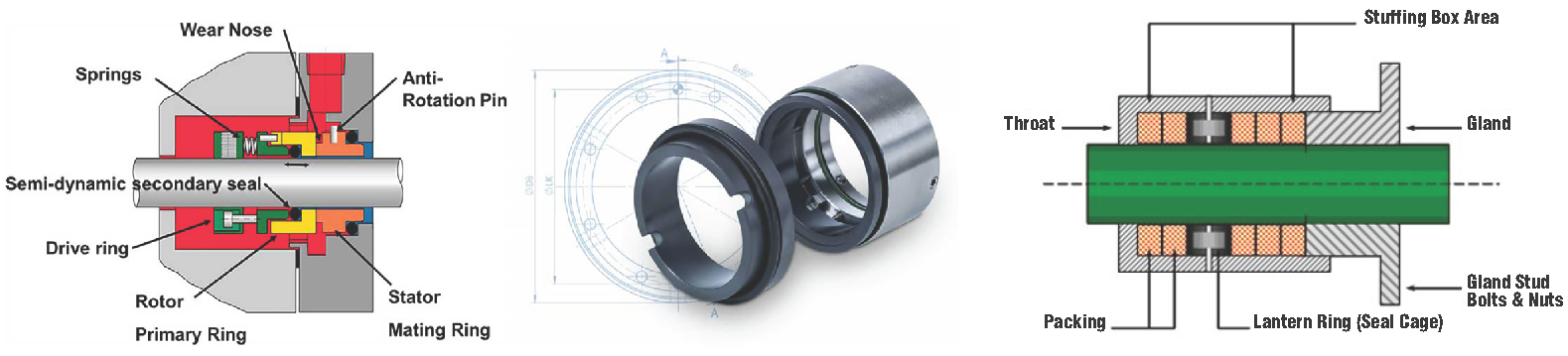
Submersible pump motor windings get damaged frequently due to dry runs and water leakage. Aging of the motor starts from the very first minute in service. Submersible pump motors are often not easily accessible. Prolonged exposure in liquid of any sort will lead to corrosion. Seals, mechanical and cable gland, are especially prone to corrosion which leads to leaks and results in failure of the motor or damage to the pump. It is difficult to perform routine inspection or maintenance, especially in deep well applications. Because of these and other factors, pumps are left to run until the motor fails or they break down and need to be replaced.
Using only basic methods to evaluate or diagnose the submersible pump motor is not reliable or cost effective. Outfitted with modern state of the art and leading edge test equipment for accurate results, “Inverter Technologies brings the most comprehensive lab to the field.” Inverter Technologies’ PUMPIT60 service will save money, reduce Carbon Tax liabilities, improve Uptime Reliability, prolong the lifespan of the motor and pump, and ensure its efficient operation.
Submersible pump motor windings get damaged frequently due to dry runs and water leakage. Aging of the motor starts from the very first minute in service. Submersible pump motors are often not easily accessible. Prolonged exposure in liquid of any sort will lead to corrosion. Seals, mechanical and cable gland, are especially prone to corrosion which leads to leaks and results in failure of the motor or damage to the pump. It is difficult to perform routine inspection or maintenance, especially in deep well applications. Because of these and other factors, pumps are left to run until the motor fails or they break down and need to be replaced.
Using only basic methods to evaluate or diagnose the submersible pump motor is not reliable or cost effective. Outfitted
with modern state of the art and leading edge test equipment for accurate results, “Inverter Technologies brings the most comprehensive lab to the field.” Inverter Technologies’ PUMPIT60 service will save money, reduce Carbon Tax liabilities, improve Uptime Reliability, prolong the lifespan of the motor and pump, and ensure its efficient operation.
Others will guess what the problem is. Inverter Technologies will Find IT, Show IT, and Prove IT.
Others will guess what the problem is. Inverter Technologies will Find IT, Show IT, and Prove IT.